By Bryan Graves
October 21, 2026
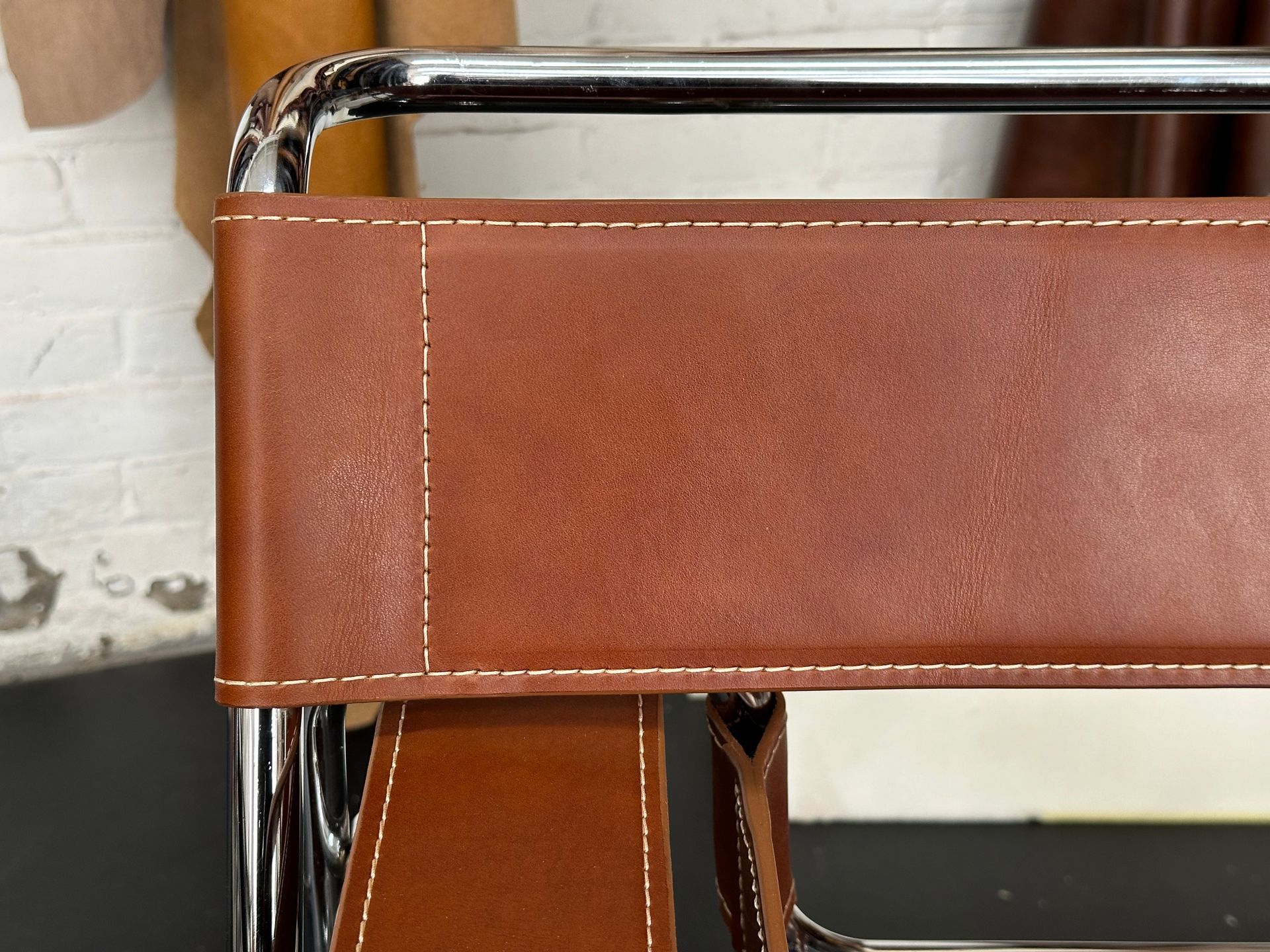
Outdoor furniture plays an important role in making patios, decks, and other exterior spaces comfortable and inviting. However, constant exposure to sunlight, rain, humidity, and changing temperatures can gradually wear down even well-made pieces. Chair slings may stretch, upholstery can fade, and leather or metal components may show signs of deterioration. When these problems develop, replacing the entire piece might seem like the easiest solution. Restoration offers another option that can benefit both homeowners and the environment. From replacing worn seating materials to exploring specialized services such as wassily chair repair, restoring existing furniture can reduce unnecessary waste while preserving valuable materials.
Reducing Furniture Waste in Landfills
One of the most significant environmental benefits of restoring patio furniture is reducing the amount of waste sent to landfills. Outdoor chairs, tables, and loungers often contain combinations of metal, plastic, fabric, and other materials that can be difficult to separate for recycling. When an entire piece is discarded because of a damaged seat or worn covering, useful structural components may be thrown away unnecessarily. Restoration allows homeowners to address specific problems without disposing of furniture that still has years of potential use.
According to Earth911, only about 0.3% of discarded furniture is recycled, highlighting the importance of services like sling replacement that help prevent sturdy metal chair frames from ending up in landfills. Instead of replacing an entire patio set, homeowners can repair damaged components and continue using the original furniture. Specialized restoration options, including wassily chair repair, demonstrate how replacing worn seating materials can preserve otherwise functional furniture. Keeping these pieces in circulation helps reduce the volume of bulky household waste requiring disposal.
Conserving Valuable Manufacturing Resources
Manufacturing new patio furniture requires raw materials that must be extracted, processed, and transformed into finished products. Metal frames may require aluminum or steel production, while cushions and seating materials often involve synthetic fibers, foam, or other manufactured components. Each material has its own environmental footprint, including energy consumption and resource use. Replacing furniture that only needs minor repairs creates additional demand for these materials, even when the original structure remains suitable for continued use.
Restoration helps conserve resources by extending the usefulness of materials already incorporated into existing furniture. Replacing a worn sling, repairing upholstery, or refinishing a frame generally requires fewer new components than manufacturing an entirely new chair. The same principle applies to wassily chair repair, where existing frames may be preserved while damaged leather seating elements receive attention. By maintaining furniture rather than replacing it prematurely, homeowners can reduce demand for newly manufactured materials and make better use of resources already invested in their outdoor spaces.
Reducing Energy Consumption During Production
Furniture manufacturing involves several energy-intensive processes, including material extraction, refining, fabrication, assembly, and finishing. Producing metal frames may require heating and shaping materials, while manufacturing synthetic seating components involves additional processing. Energy is also consumed when furniture moves between factories, warehouses, retailers, and customers. Although restoration requires its own materials, tools, and transportation, it can avoid many of the production steps associated with creating an entirely new piece.
Choosing repairs over replacement can therefore help reduce the overall energy demand associated with maintaining outdoor furniture. A professional may restore a chair by replacing its seating material, repairing damaged sections, or addressing surface deterioration. These targeted improvements preserve much of the original product. Services such as wassily chair repair illustrate how specialized work can extend furniture life without requiring complete reconstruction. The environmental savings depend on the repair process and materials involved, but avoiding unnecessary manufacturing can support more responsible resource consumption.
Extending the Lifespan of Durable Furniture
Many outdoor furniture pieces are constructed with sturdy frames designed to withstand years of regular use. Aluminum, steel, and other durable materials can remain structurally sound long after fabric, straps, or cushions begin deteriorating. Exposure to ultraviolet light, moisture, and frequent use may damage softer components more quickly than the supporting structure. Discarding an entire chair because its seating surface has worn out prevents homeowners from taking full advantage of the durability built into the original product.
Professional restoration can help these pieces remain functional for additional years. Replacing damaged slings, repairing stitching, and addressing worn surfaces can improve comfort and appearance without sacrificing the original frame. Homeowners considering wassily chair repair may similarly find that worn leather components can be restored or replaced while retaining the chair's recognizable design. Regular maintenance and timely repairs can also prevent minor deterioration from becoming more extensive. Extending furniture lifespan supports sustainability by reducing how frequently replacement products must be purchased.
Reducing Transportation and Packaging Waste
Purchasing new patio furniture often involves shipping products through several stages before they reach a homeowner. Materials may travel to manufacturing facilities, completed pieces may be transported to distribution centers, and finished furniture may require delivery to retail locations or individual properties. These transportation activities consume fuel and generate emissions. New furniture also commonly arrives with cardboard, plastic wrapping, protective foam, and other packaging materials that require disposal or recycling.
Restoring existing furniture can reduce the need for these additional shipments and packaging materials. Although replacement components must still be transported, smaller repair materials may require less packaging and shipping space than complete furniture pieces. Choosing local restoration services can sometimes further limit transportation requirements. For example, wassily chair repair may involve replacing specific seating components instead of ordering an entirely new chair. Keeping existing furniture in service helps homeowners avoid some of the environmental impacts associated with purchasing, transporting, unpacking, and disposing of replacement furnishings.
Encouraging More Sustainable Consumption Habits
Restoring patio furniture can influence how homeowners approach other purchasing and maintenance decisions. When a chair develops a tear or a cushion becomes uncomfortable, replacement may initially seem more convenient than investigating repair options. However, learning that many furniture problems can be addressed individually encourages a different approach. Rather than viewing worn furnishings as disposable, homeowners can evaluate whether their existing pieces still offer value and determine which components genuinely need attention.
This mindset supports more thoughtful consumption by emphasizing maintenance, repairability, and long-term usefulness. Homeowners who invest in wassily chair repair or other specialized restoration services may become more likely to maintain furniture regularly and address damage before it worsens. They may also prioritize durable construction and replaceable components when purchasing future furnishings. These choices encourage a practical approach to sustainability that focuses on reducing unnecessary purchases while continuing to enjoy comfortable, attractive outdoor spaces.
Preserving Quality Furniture and Timeless Designs
Older patio furniture can feature durable construction, distinctive designs, and materials that remain valuable despite visible wear. Some pieces may also have sentimental importance because they have been part of family gatherings, outdoor celebrations, or everyday relaxation for many years. Replacing these furnishings can mean losing craftsmanship and design features that are difficult to reproduce. Restoration provides an opportunity to preserve their character while improving their usability and overall condition.
Professional services can address worn seating surfaces, damaged leather, faded materials, and other concerns while retaining important original features. Specialized work such as wassily chair repair can be particularly useful when a furniture piece has a recognizable design worth preserving. Restoring quality furnishings helps homeowners avoid unnecessary replacement while maintaining the appearance and function of their outdoor living areas. By combining preservation with practical repairs, restoration supports a longer product lifecycle and reduces the environmental burden associated with frequently purchasing new furniture.
Restoring patio furniture offers environmental benefits that extend beyond improving its appearance. Repairing worn seating materials, preserving durable frames, and maintaining existing components can reduce landfill waste, conserve manufacturing resources, limit unnecessary energy consumption, and decrease demand for replacement products. Restoration also encourages more sustainable purchasing habits by helping homeowners recognize the lasting value of furniture they already own. Whether a patio chair needs new seating material, leather restoration, or another targeted repair, professional attention can help extend its useful life. Instead of discarding furniture because of manageable damage, consider restoration as a practical way to protect your investment and reduce waste. For professional furniture restoration and wassily chair repair, contact Hub Leather Repair.